

September 22–24, 2026 | El Nido, Palawan
Western Philippines University (WPU), through its College of Fisheries and Natural Sciences (CFiNS), conducted a series of research-based extension activities aimed at strengthening marine water-quality monitoring, promoting environmental awareness, and building local capacity for the sustainable management of coastal and recreational waters in El Nido, Palawan.
Implemented through the MARINA-Pal Project, the activities brought together local government personnel, environmental officers, tourism stakeholders, students, and community representatives to translate scientific research into practical approaches to marine ecosystem protection and public health.
Building Local Capacity for Marine Water Quality Monitoring
On September 22–23, 2026, WPU conducted a Hands-on Training on Recreational Water Quality Monitoring and Assessment at its El Nido Campus, engaging 22 participants from various government offices and agencies, including the Municipal Environment and Natural Resources Office (MENRO), Philippine Coast Guard (PCG), Municipal Health Office, Department of Environment and Natural Resources (DENR), and other local government units.
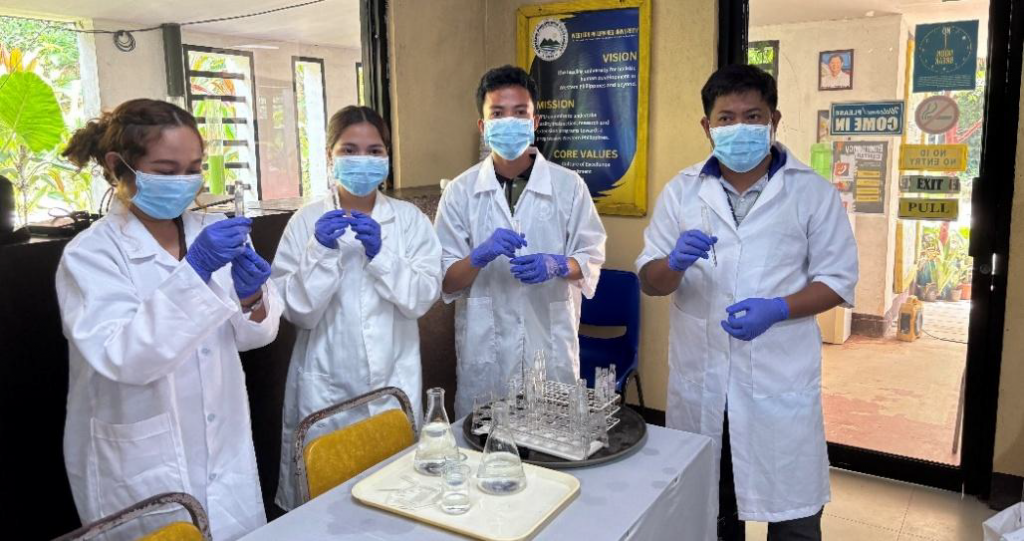
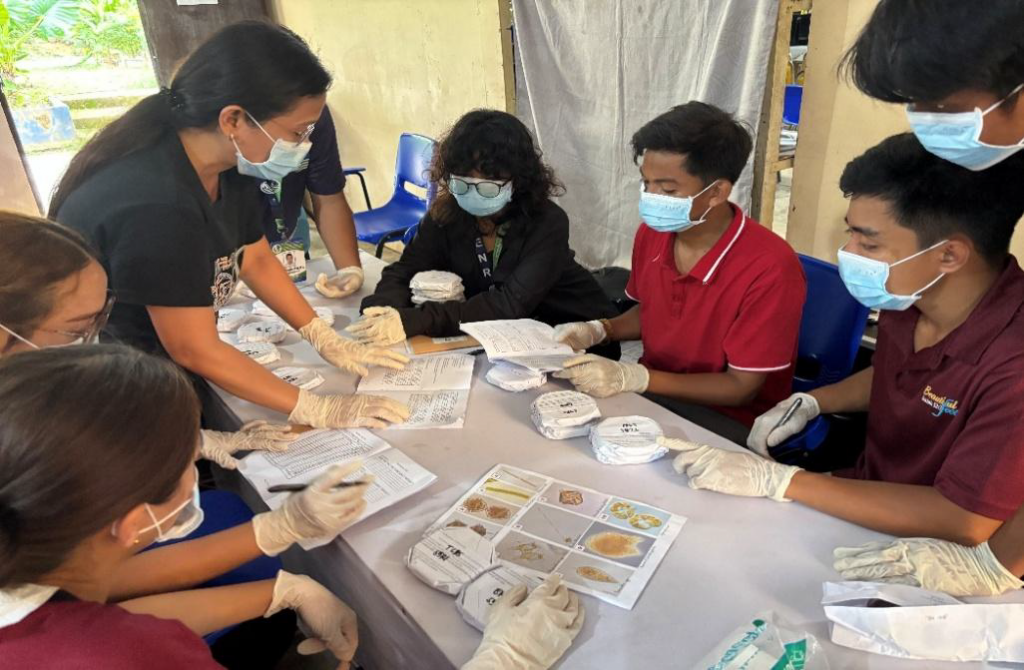
The training provided practical experience in assessing recreational water quality through microbiological analysis, physicochemical measurements, and phytoplankton monitoring. Participants learned water sampling techniques, coliform analysis, laboratory procedures, and the identification of potentially harmful algal bloom-forming organisms.
Field activities conducted at Corong-Corong Wharf allowed participants to apply these skills using water-quality monitoring equipment and scientific sampling techniques.
Bringing Marine Research Closer to Communities
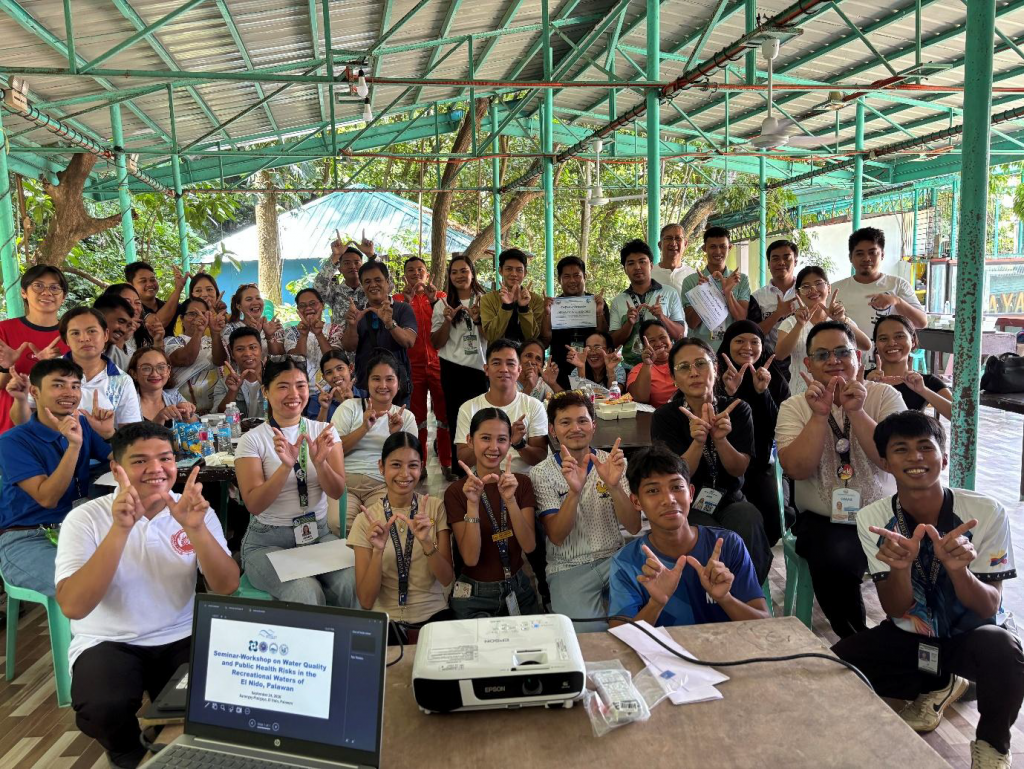
Building on the technical training, WPU conducted a Seminar-Workshop on Water Quality and Public Health Risks in the Recreational Waters of El Nido, Palawan, on September 24, 2026, bringing together 50 participants from the tourism sector, local government, and other stakeholder groups.
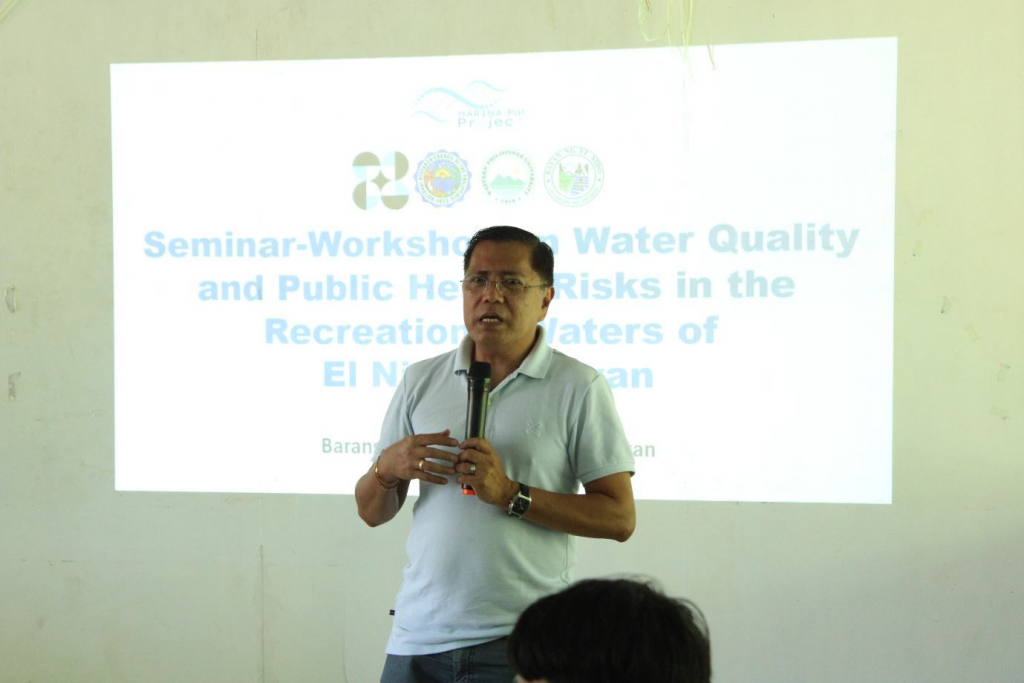
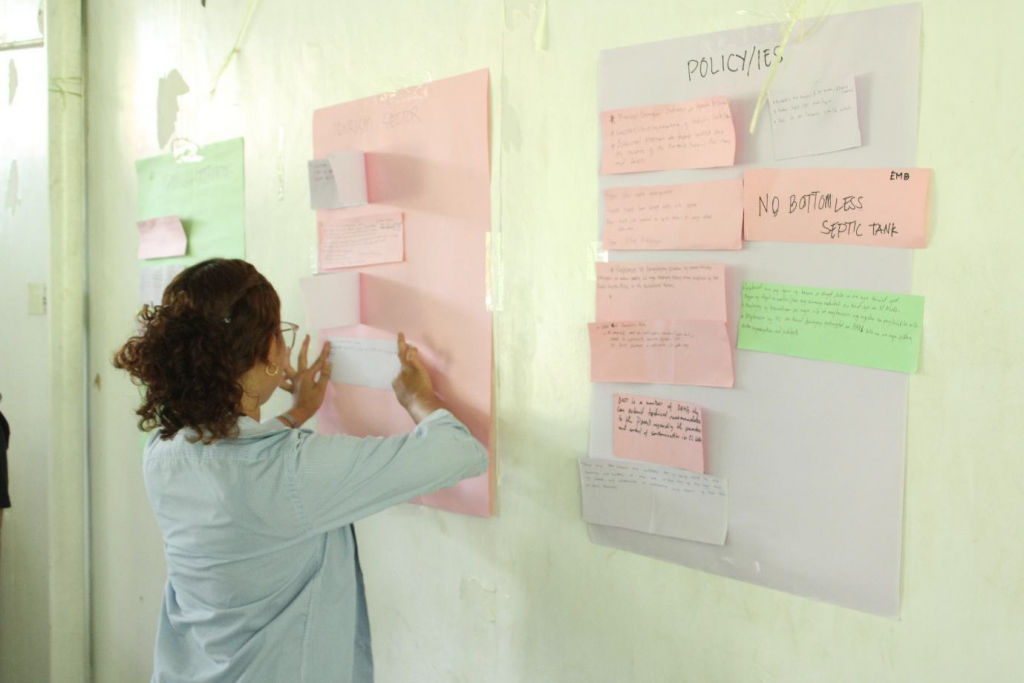
The activity shared findings from the MARINA-Pal Project’s monitoring of Bacuit Bay, including the presence of potentially toxic microalgae and putative pathogenic bacteria in the sampled waters. Discussions emphasized the importance of regular monitoring, responsible tourism, pollution prevention, and public awareness in protecting coastal ecosystems and public health.
Through participatory workshops, stakeholders identified practical initiatives such as improved waste management, regular water-quality assessments, stronger implementation of environmental regulations, and community education to safeguard El Nido’s recreational waters.
Advancing SDG 14 through Research and Community Partnerships
Supported by the Department of Science and Technology–National Research Council of the Philippines (DOST-NRCP) and implemented in collaboration with the Local Government Unit of El Nido, these initiatives demonstrate the importance of linking university research with local environmental management.
Through research, capacity-building, and community partnerships, Western Philippines University remains a strong partner for sustainable development, helping ensure that marine resources continue to support healthy ecosystems, sustainable tourism, and coastal livelihoods.
[This article is in line with the SDGs 6, 11, 13, 14 & 17]
Contributor: CFiNS