Puerto Princesa City, Palawan | December 15–16, 2025
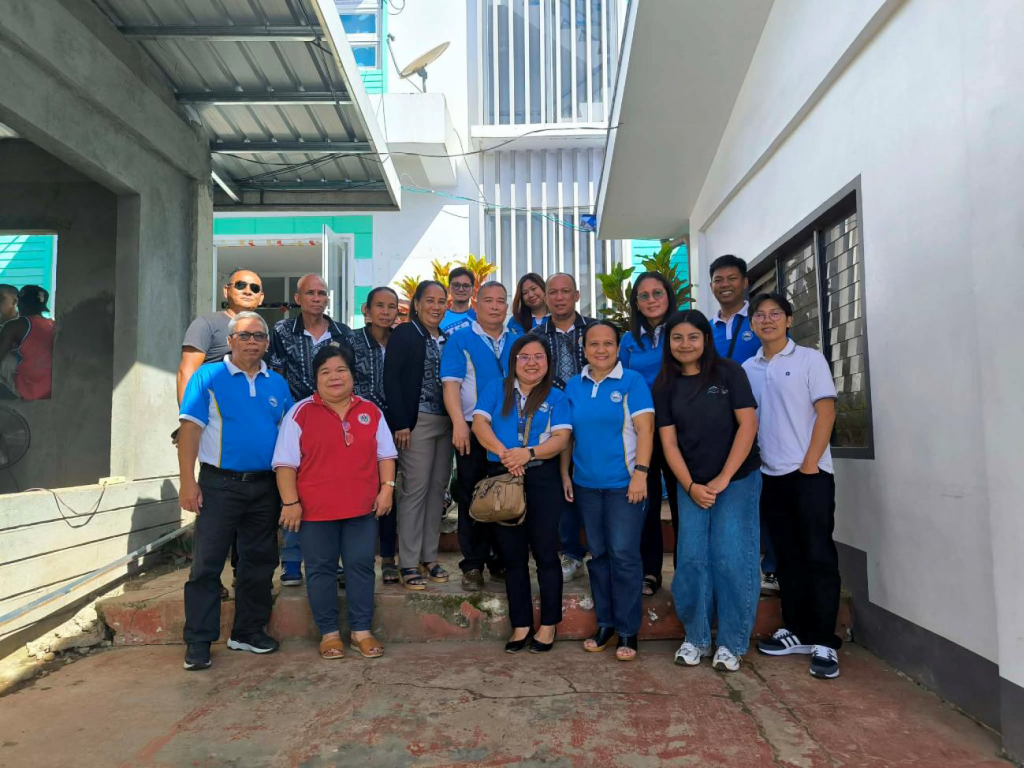
In its continuing commitment to marine environmental protection and sustainable coastal development, Western Philippines University (WPU), through its College of Fisheries and Natural Sciences (CFiNS), conducted a two-day community extension programme titled “Health and Well-being of Coastal Communities” on December 15–16, 2025, in Barangay Santa Lourdes, Puerto Princesa City, Palawan.
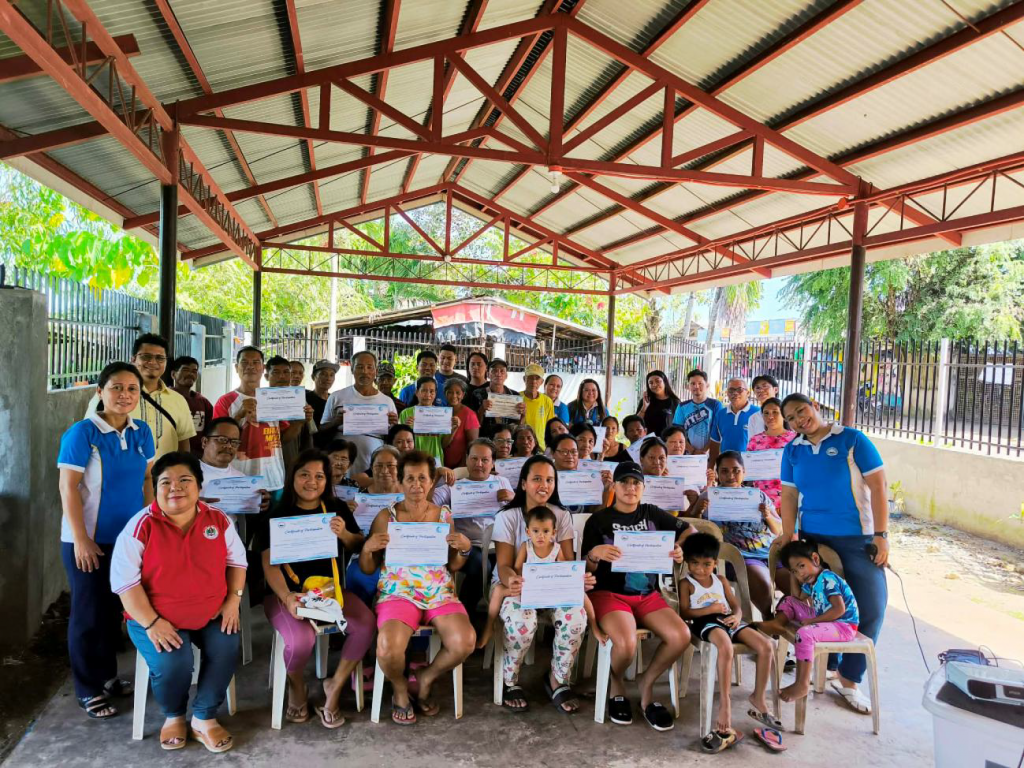
The initiative brought together more than 50 participants, including local fisherfolk, barangay officials, and coastal residents, to strengthen community knowledge and practical approaches to protecting marine ecosystems, safeguarding fisheries resources, and maintaining the environmental quality of coastal waters that support local livelihoods and tourism.
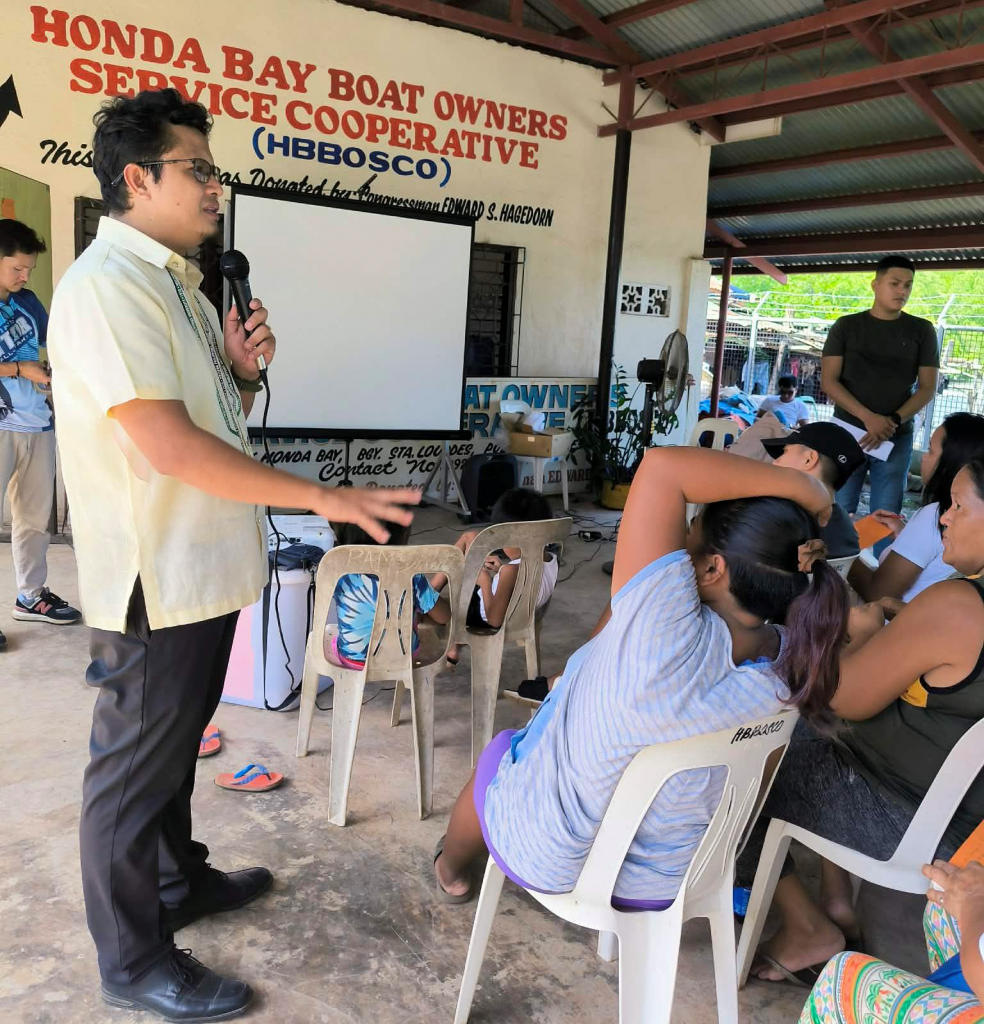
Implemented by the CFiNS Biology Department in collaboration with Barangay Santa Lourdes and the Barangay Fisherfolk and Aquatic Resources Management Council (BFARMC), the programme featured two complementary seminar-workshops: “Managing and Preventing Harmful Algal Blooms (HABs)” and “Preventing Plastic and Water Pollution.”
Bringing Scientific Research Closer to Coastal Communities
A key feature of the initiative was its integration of scientific findings from WPU’s HABs Watch and MARINA-Pal research projects, alongside studies on marine plastic pollution. Through this research-based extension approach, the university translated scientific information into accessible knowledge and practical strategies relevant to communities that depend on coastal and marine resources.
The first day focused on harmful algal blooms, commonly known as red tide, and their implications for marine ecosystems, seafood safety, public health, and fishing livelihoods.
WPU faculty and researchers discussed the causes and risks of harmful algal blooms, the transmission of marine biotoxins, and monitoring findings from Honda Bay. The sessions also emphasized the importance of environmental awareness, community participation, and timely responses to harmful algal bloom events to help protect coastal populations and maintain food security.
Through interactive discussions and group workshops, participants identified possible community-based strategies, including regular coastal cleanups, improved waste disposal, better sewage management, and strengthened local environmental policies.
Protecting Coastal Waters for Fisheries and Sustainable Tourism
On the second day, the discussions shifted toward plastic pollution, bacterial contamination, and their effects on marine biodiversity, aquatic ecosystems, and human health.
Resource speakers presented findings on plastic and microplastic pollution in Palawan, explaining how improper waste management threatens marine organisms, food safety, and the ecological health of coastal environments.
Special attention was also given to bacterial contamination in recreational waters, particularly in Honda Bay, where coastal waters support fishing, swimming, tourism, and other livelihood activities.
By highlighting the relationship between water quality, ecosystem health, and community well-being, the programme reinforced the importance of protecting marine environments not only for fisheries productivity but also for the long-term sustainability of coastal tourism.
Participants engaged in collaborative workshops to identify locally appropriate environmental management practices. Among the proposed actions were proper waste segregation, recycling initiatives, regular shoreline cleanups, responsible disposal of fishing materials, and strengthened community awareness and policy advocacy.
These activities encouraged residents to recognize their shared responsibility in maintaining healthy coastal ecosystems and protecting the natural resources upon which their livelihoods depend.
Strengthening Community Participation in Marine Resource Management
Beyond providing technical information, the extension programme created opportunities for dialogue among university researchers, local officials, fisherfolk, and community members.
Through participatory learning, storytelling, and community action planning, participants were encouraged to connect scientific knowledge with everyday practices and identify practical measures that could be adopted within their barangay.
The initiative also demonstrated the importance of collaboration between higher education institutions and local communities in addressing environmental challenges through science-based education and locally relevant solutions.
Advancing Sustainable Development through University Extension
The activity reflects WPU’s continuing commitment to translating research into meaningful community engagement, particularly in coastal areas where marine resources are essential to food security, livelihoods, and economic activities.
By strengthening community awareness of harmful algal blooms, marine pollution, and recreational water safety, WPU contributes to the sustainable management of coastal resources while supporting healthier and more resilient communities.
The initiative aligns with the United Nations Sustainable Development Goals, particularly SDG 14 (Life Below Water), through marine ecosystem protection and sustainable resource management, and SDG 6 (Clean Water and Sanitation), through water quality awareness and pollution prevention.
Through research, education, and community partnerships, Western Philippines University continues to advance its role as a strong partner for sustainable development, bringing science closer to communities and encouraging collective action toward healthier and more sustainable coastal environments.
[This article is in line with the SDGs 14 &6]
Contributor: College of Fisheries and Natural Sciences (CFiNS)