


Rapid urbanization, agricultural expansion, and infrastructure development have transformed natural landscapes worldwide, resulting in habitat loss and fragmentation that increasingly isolate wildlife populations. Consequently, conserving biodiversity requires extending conservation efforts beyond traditional protected areas and recognizing the ecological value of human-dominated landscapes. Among the most promising opportunities within these landscapes are green spaces, which have emerged as critical components of contemporary biodiversity conservation.
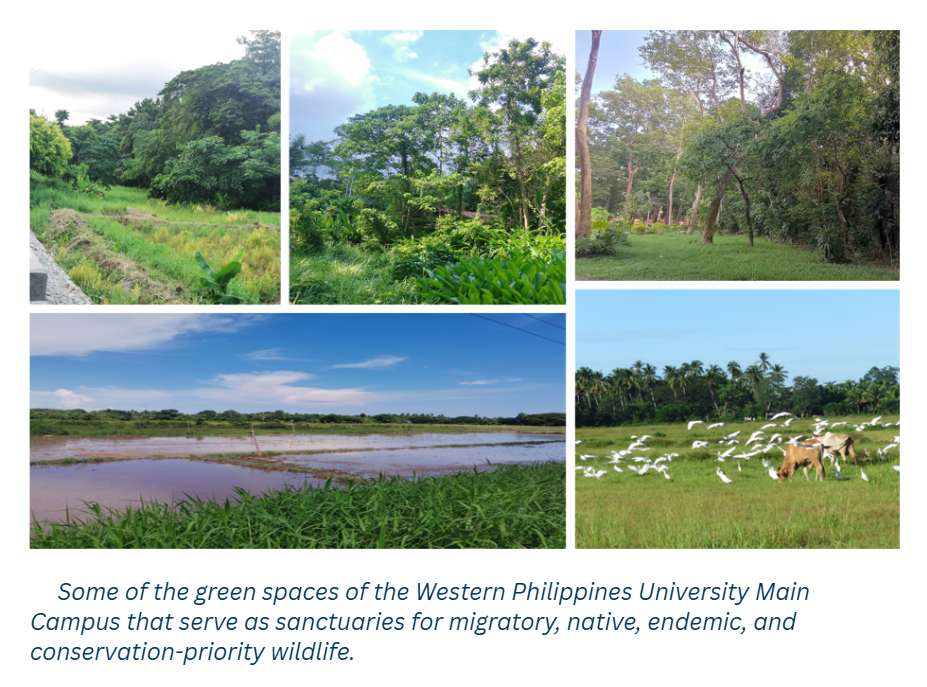
Often appreciated primarily for their aesthetic, recreational, and climatic benefits, green spaces are increasingly recognized as essential ecological infrastructure capable of supporting native biodiversity, maintaining ecosystem functions, and enhancing landscape resilience. Forest patches, wetlands, grasslands, riparian corridors, agricultural areas, and tree-lined open spaces embedded within developed environments provide habitat, facilitate wildlife movement, and strengthen ecological connectivity across fragmented landscapes. As development continues to reshape the landscape, these seemingly ordinary patches of vegetation may become extraordinary refuges for biodiversity. Internationally recognized as one of the world’s biodiversity hotspots, Palawan harbors exceptional levels of endemism and supports numerous species of global conservation concern. The Main Campus of Western Philippines University (WPU) demonstrates how universities can contribute meaningfully to biodiversity conservation. Beyond its academic mission, the university maintains an extensive network of diverse green spaces that collectively form a heterogeneous mosaic of habitats capable of supporting diverse Wildlife.
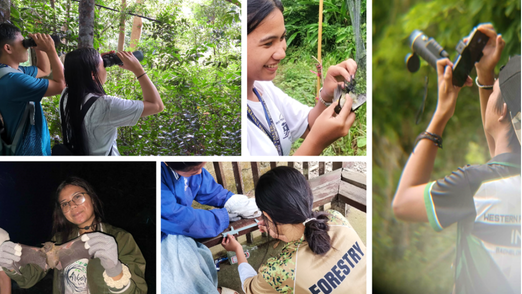
Recognizing this potential, the College of Agriculture, Forestry and Environmental Sciences initiated a comprehensive biodiversity assessment of the WPU Main Campus between 2022 and 2025. The study sought not only to document the wildlife inhabiting the campus but also to understand the ecological significance of these green spaces within a rapidly changing landscape. Through systematic surveys conducted across multiple habitat types and seasons, the findings revealed that the green spaces of WPU represent living ecosystems that provide refuge for wildlife, support ecological processes, and demonstrate how academic institutions can become active partners in conserving biodiversity in the Anthropocene.
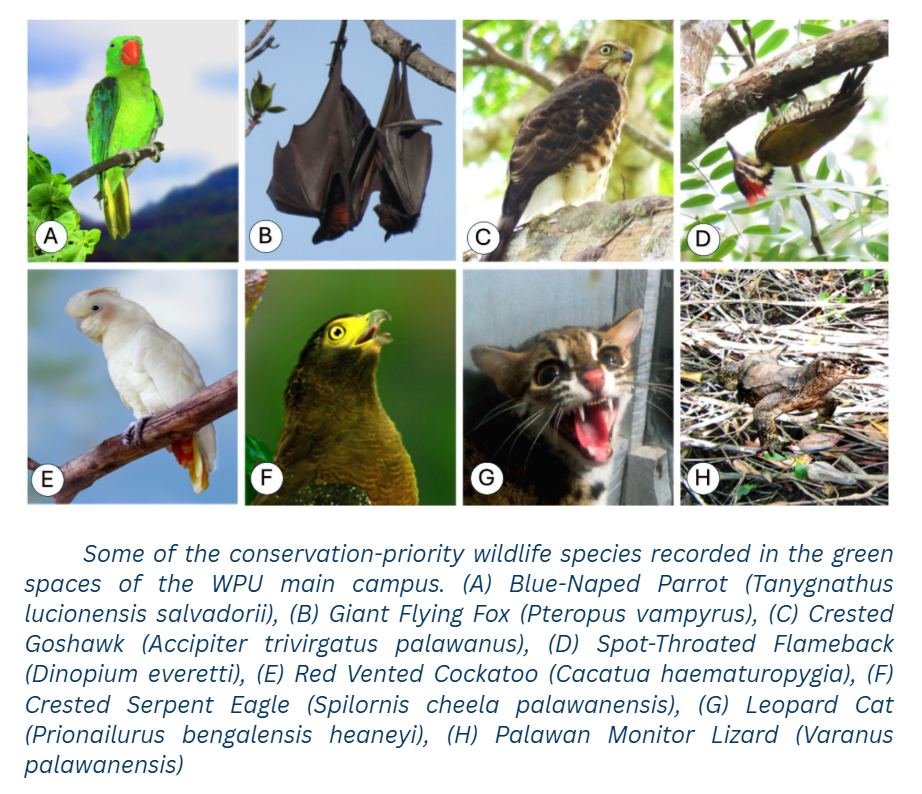
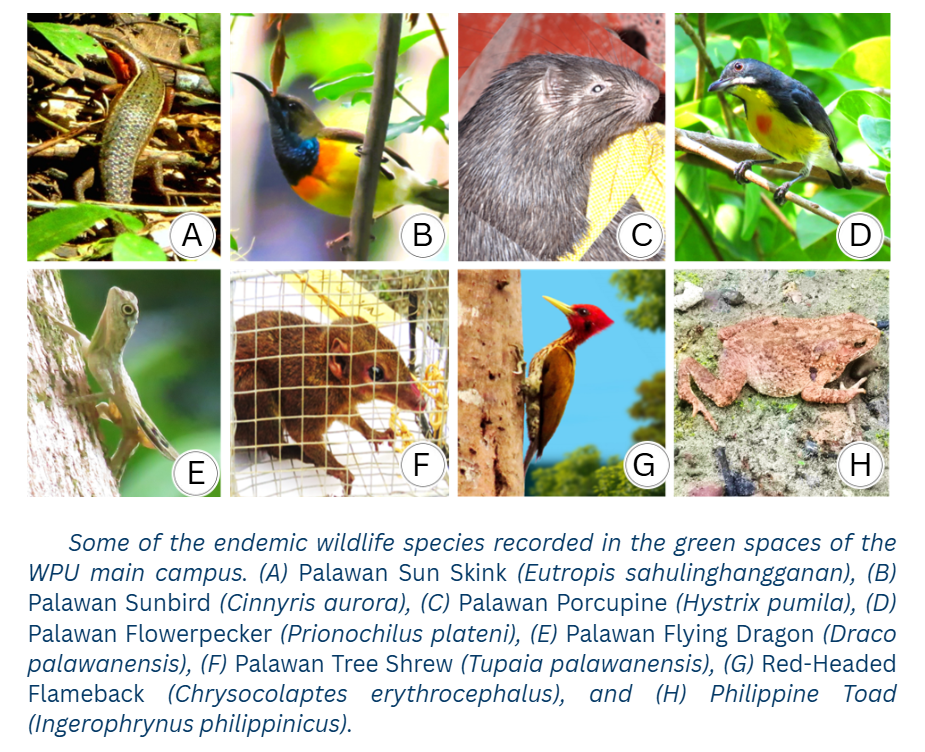
The biodiversity surveys recorded an impressive 144 wildlife species, highlighting the remarkable biodiversity sustained within the WPU Main Campus. This assemblage comprised 98 bird species, 18 mammal species, 16 reptile species, and 12 amphibian species, reflecting the diversity of ecological niches provided by the campus green spaces. Beyond the overall species richness, the surveys documented 30 endemic species and 11 endemic subspecies that occur only in the Philippines or are restricted to the Palawan faunal region. The presence of these species indicates that the campus continues to provide environmental conditions capable of supporting wildlife with highly restricted geographic distributions.
Equally significant was the documentation of 40 conservation-priority species, including species classified as Critically Endangered, Endangered, Vulnerable, and Near Threatened. The occurrence of these species demonstrates that the ecological value of green spaces in WPU’s main campus extends beyond maintaining common wildlife; it provides habitat for species facing increasing pressures from habitat loss, environmental degradation, and other anthropogenic threats. In an era where many wildlife populations continue to decline, the presence of threatened species within an academic campus underscores its importance in
biodiversity conservation.
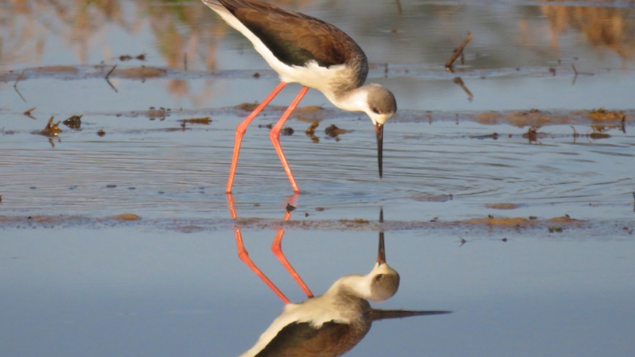
The study also documented 27 migratory bird species utilizing the campus during their seasonal movements. Located along the East Asian– Australasian Flyway, one of the world’s most important migratory bird corridors, the WPU main campus provides suitable habitat for migratory birds during their overwintering period. The presence of migratory species emphasizes that the university’s green spaces not only support local biodiversity but also contribute to the conservation of migratory wildlife of international significance. These findings highlight the role of the campus as a valuable stopover and overwintering habitat within one of the world’s most important migratory flyways.
The significance of this study extends beyond documenting the remarkable wildlife diversity of the WPU Main Campus. Its findings demonstrate the increasingly important role of university green spaces in conserving biodiversity within landscapes undergoing rapid environmental change.
The green spaces within the WPU Main Campus function as interconnected ecological infrastructure. Together, these habitats provide food, shelter, breeding sites, and movement corridors that sustain wildlife and enhance landscape resilience. Their strategic location within an increasingly modified landscape further strengthens their conservation value, allowing the campus to serve as an ecological refugium and biodiversity sanctuary for endemic, threatened, and migratory species.
(Contributed by: Asst. Prof. Alejandro Bernardo, Faculty Researcher)
[This article is in line with the SDGs 11, 13, 15, & 17]