

What began as a vision to strengthen food systems, nutrition, livelihoods, and environmental sustainability in small island communities has grown into a powerful story of collaboration, innovation, and community transformation.
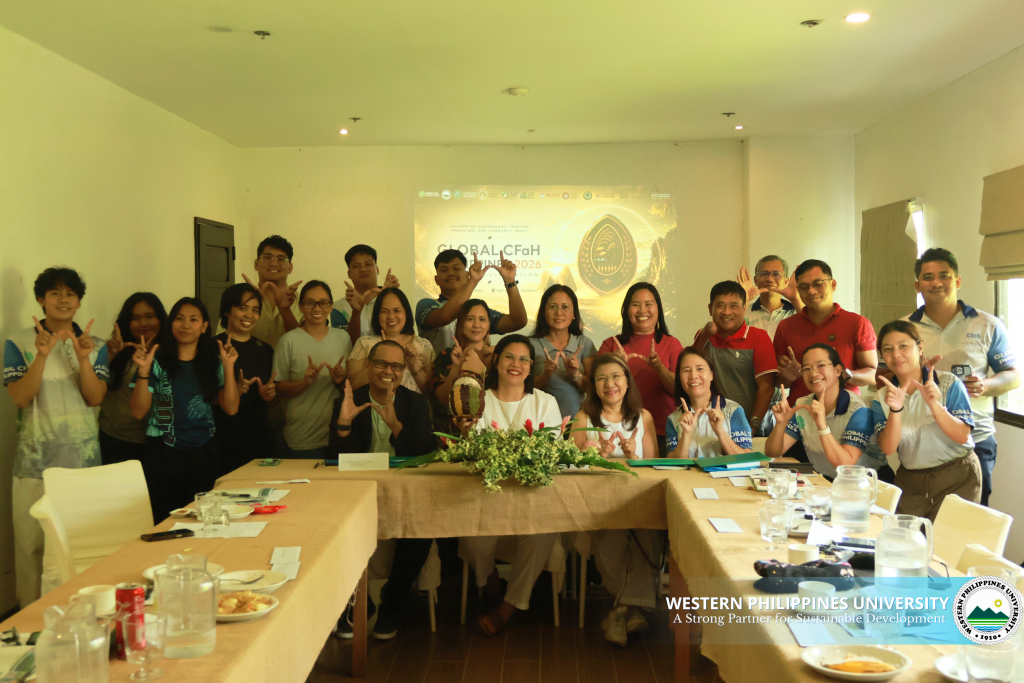
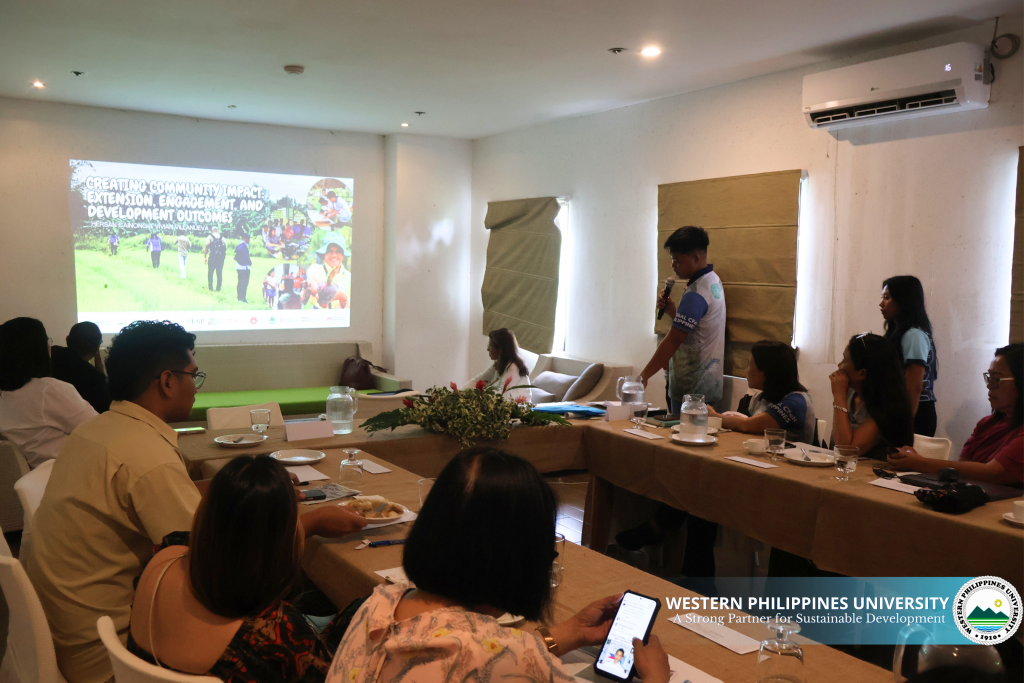
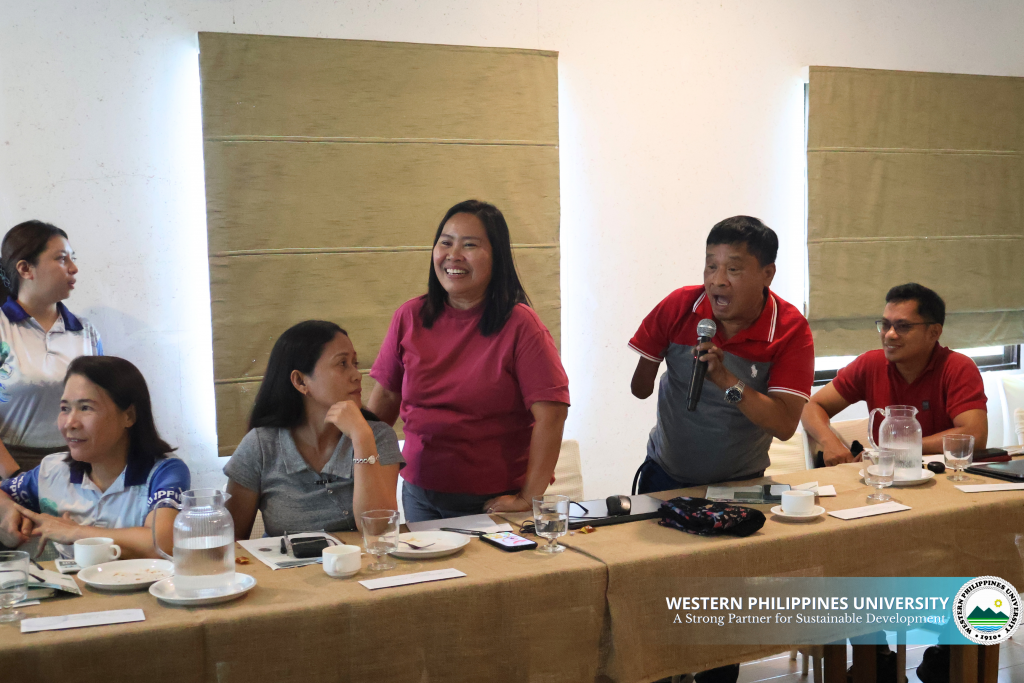
The Global CFaH Philippines 2026 Project Culmination, on June 19-21 2026, brought together researchers, university leaders, development partners, and community stakeholders to reflect on the project’s accomplishments, lessons learned, research contributions, and future directions for sustaining impact beyond the life of the grant.
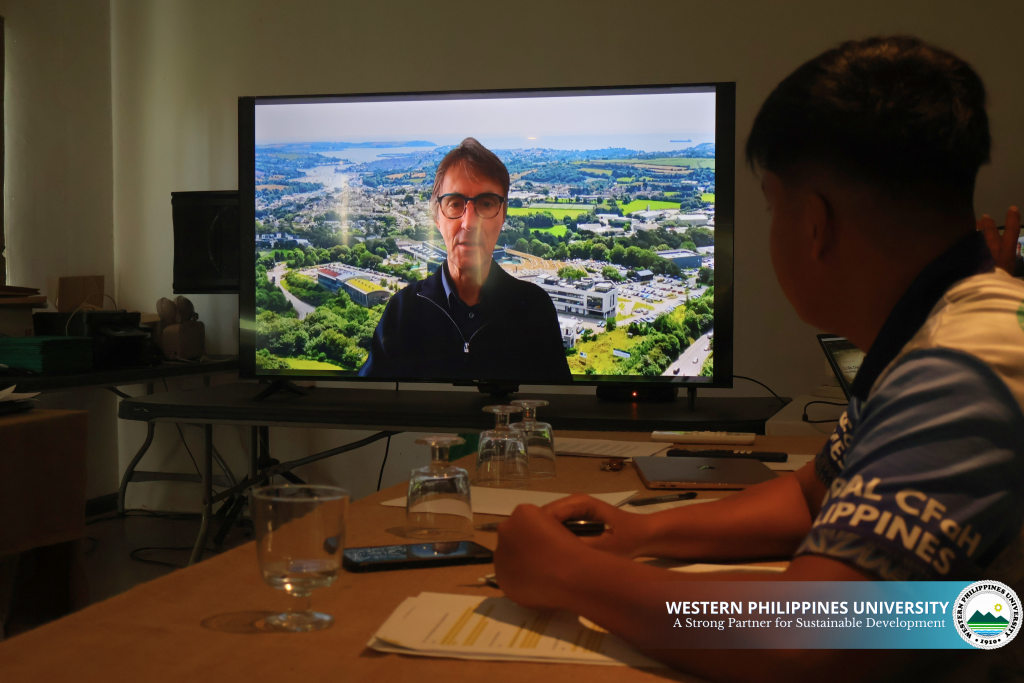
The event, held in Club Agutaya, was graced by first DOST MIMAROPA Regional Director Dr. Ma. Josefina P. Abilay, and DOST MIMAROPA Regional Director Dr. Bernardo N. Sepeda, and a virtual message from Prof. Nigel Unwin of the University of Exeter and University of Cambridge.
The event was also attended by members of the University Management Committee, highlighting the strong institutional support behind Global CFaH and other strategic initiatives of Western Philippines University. Their presence underscored the collaborative role of university leadership in advancing research, extension, innovation, and community development programs.
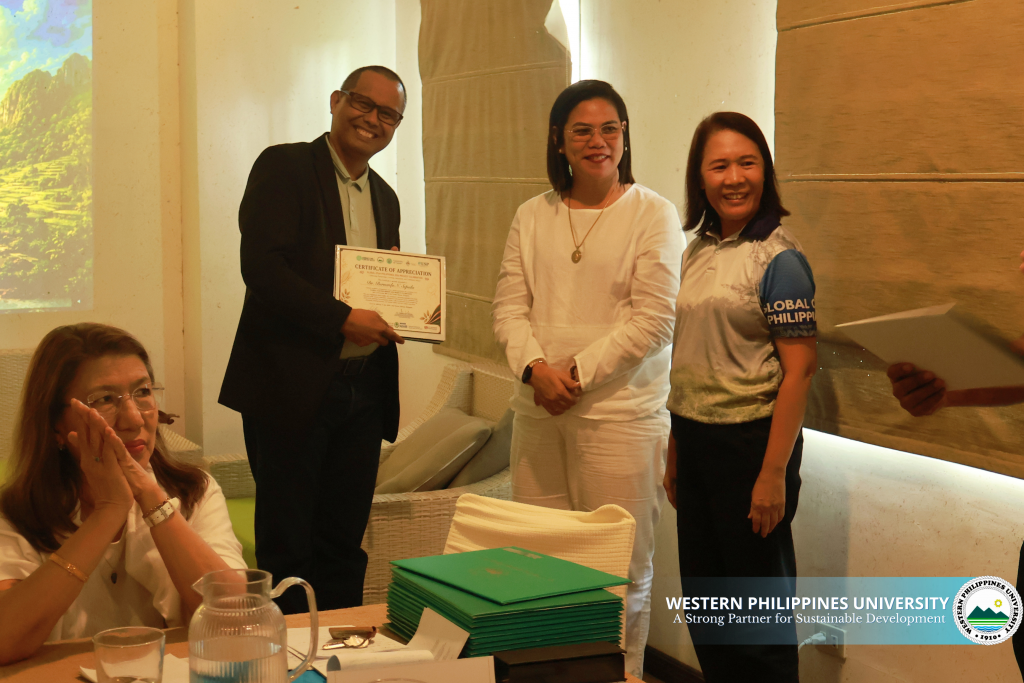
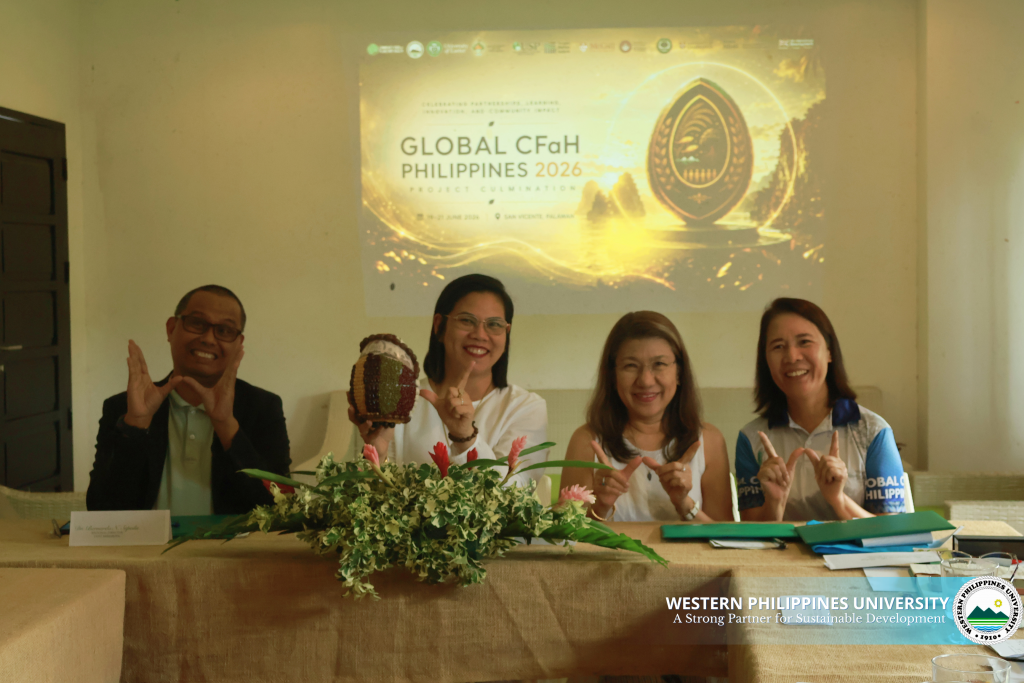
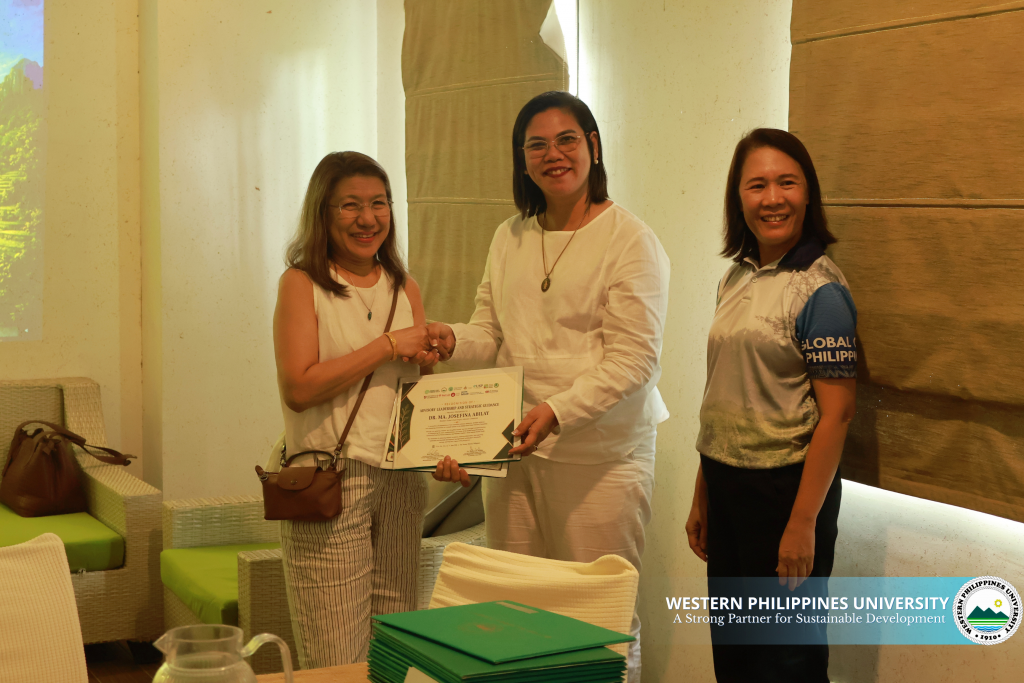
In her message, WPU President Dr. Amabel S. Liao reminded participants that the true measure of development is not found in reports and statistics alone, but in the lives transformed through better nutrition, stronger livelihoods, and healthier communities. She emphasized that at the heart of Global CFaH are the people it serves—families striving for food security, communities working toward sustainable livelihoods, and partners united by a shared commitment to human and planetary health.
Echoing the project’s enduring vision, she shared a simple but powerful reminder: “Hanggat may lupa, may pagkain; hanggat may lupa, may kabuhayan; hanggat may lupa, may pag-asa.” For President Liao, the legacy of Global CFaH lies in recognizing that some of the most impactful solutions begin with the land beneath our feet and the communities that depend on it.
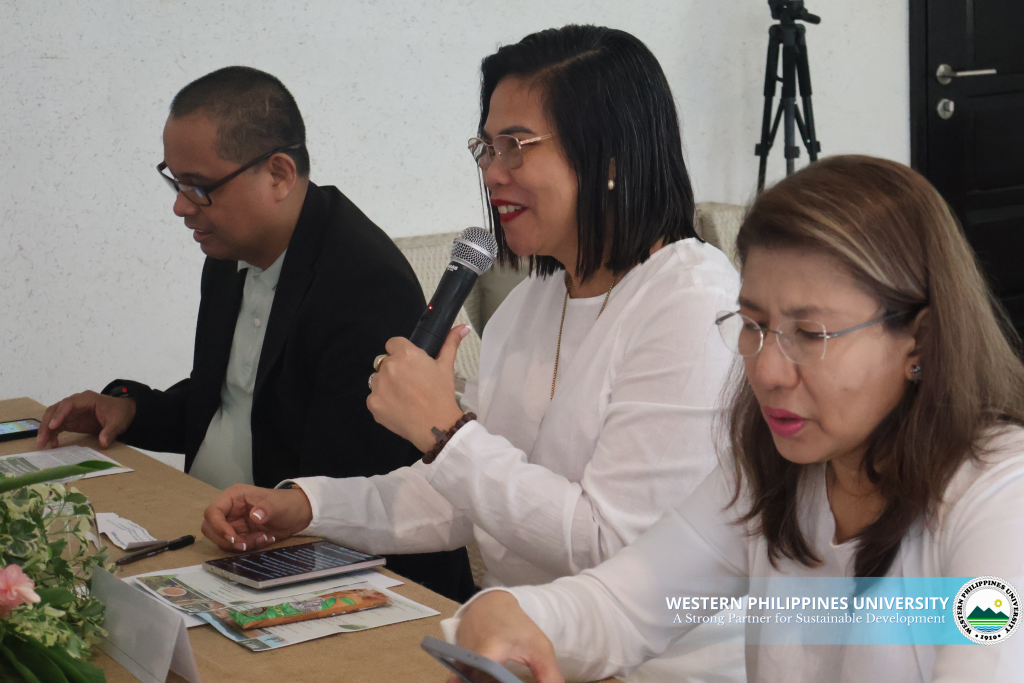
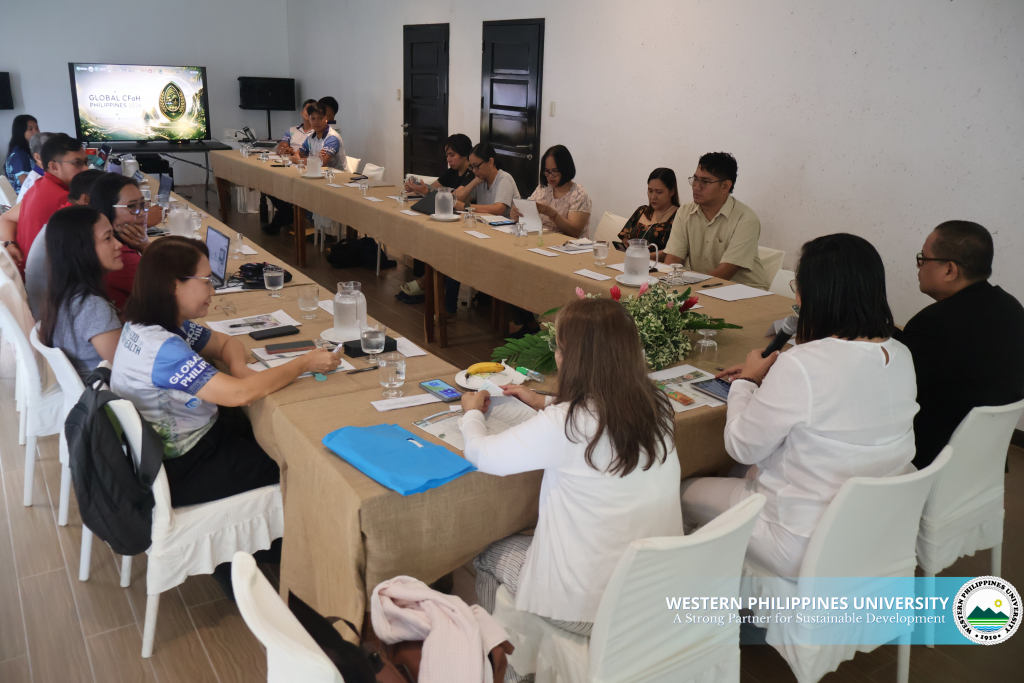
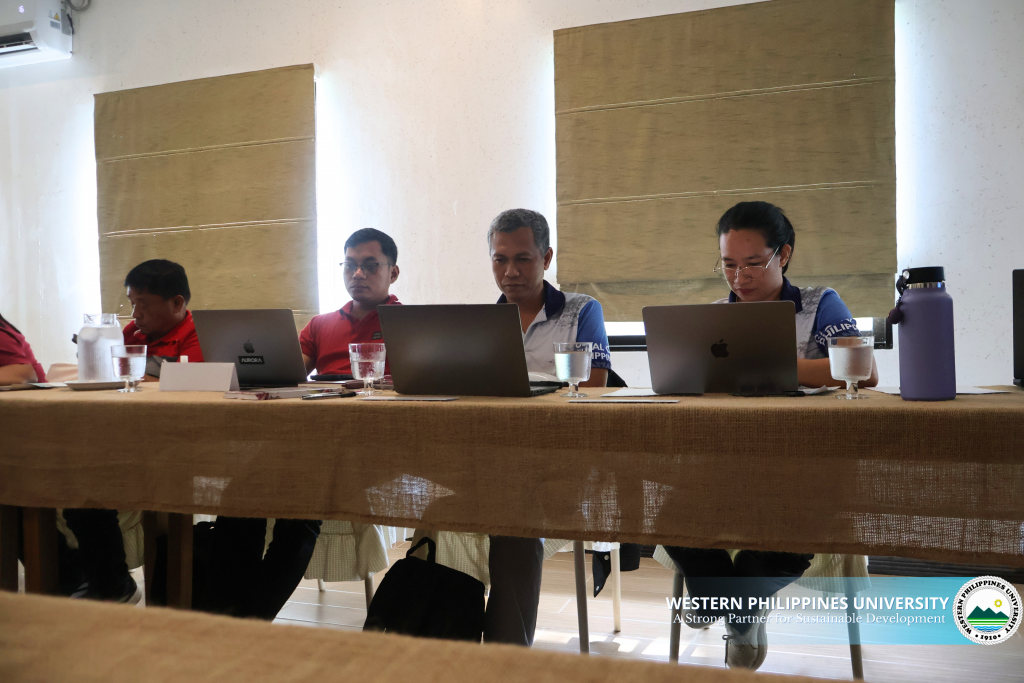
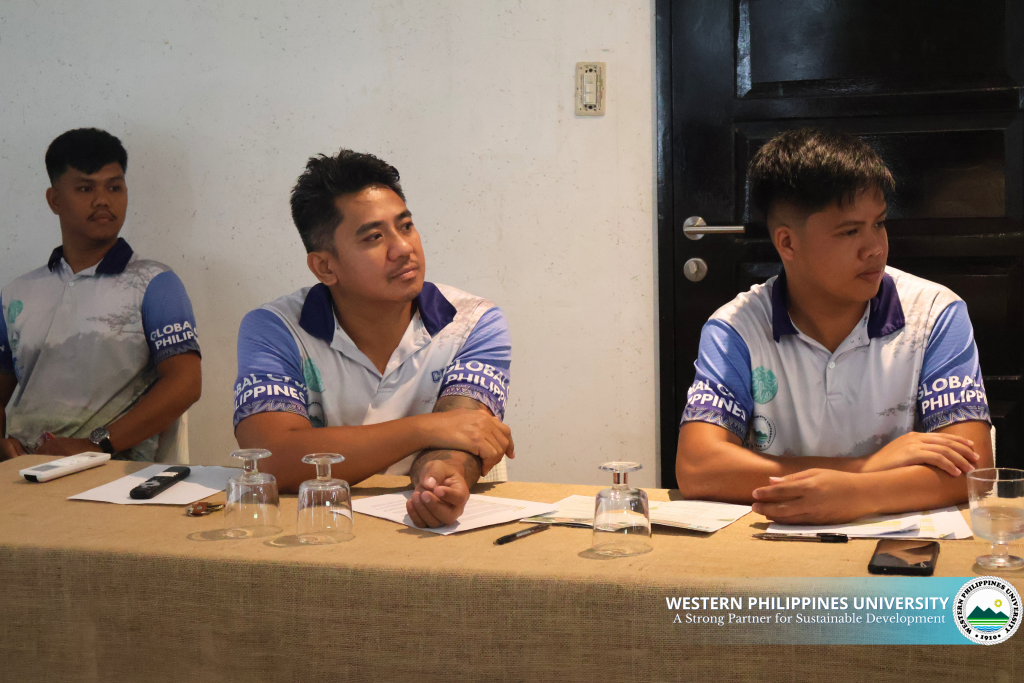
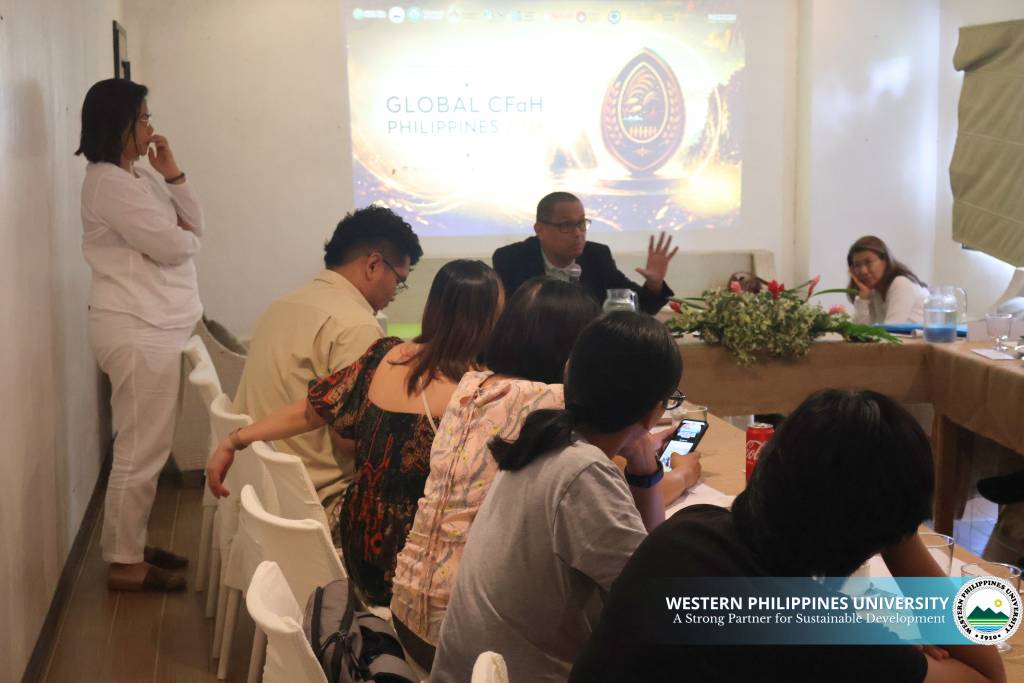
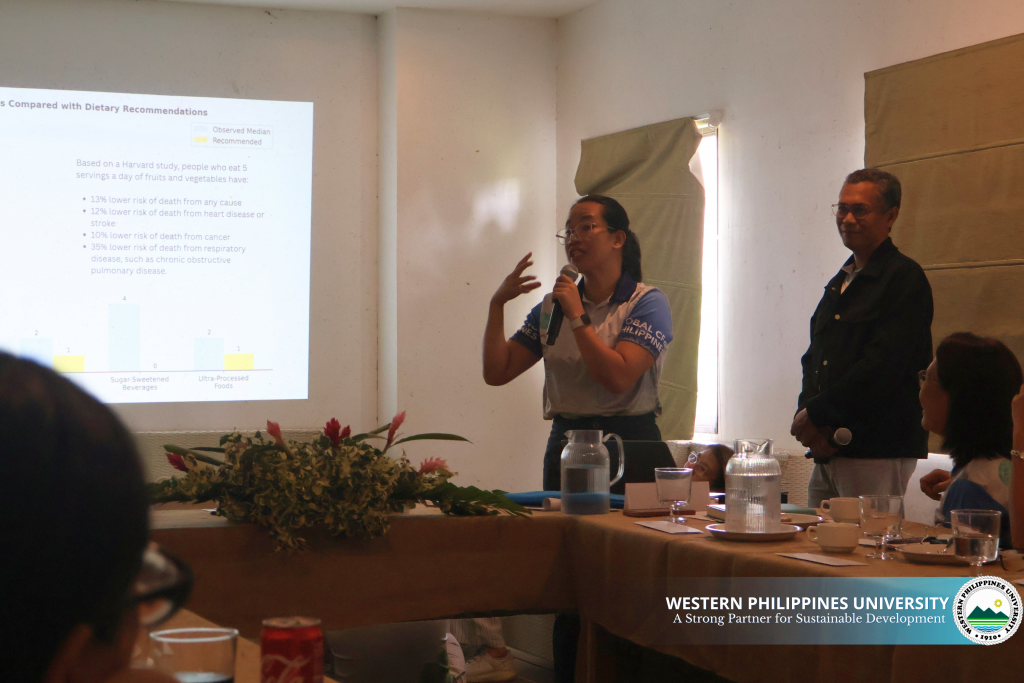
Throughout the culmination program, project leaders and researchers presented the various dimensions of the Global CFaH initiative, beginning with its role in laying the foundation for sustainable food systems transformation in small island communities, the conceptual and theoretical framework that guided the project, implementation pathways and community engagement strategies, as well as capacity-building efforts through training, mentorship, and professional development. Presenters also highlighted achievements in knowledge exchange and international collaboration, community extension and development outcomes, and research findings that contributed to a deeper understanding of food systems, nutrition, health, and environmental sustainability. The sessions concluded with reflections on policy integration, institutionalization, and future directions, emphasizing the importance of sustaining partnerships, translating research into action, and building on the project’s gains beyond its implementation period.
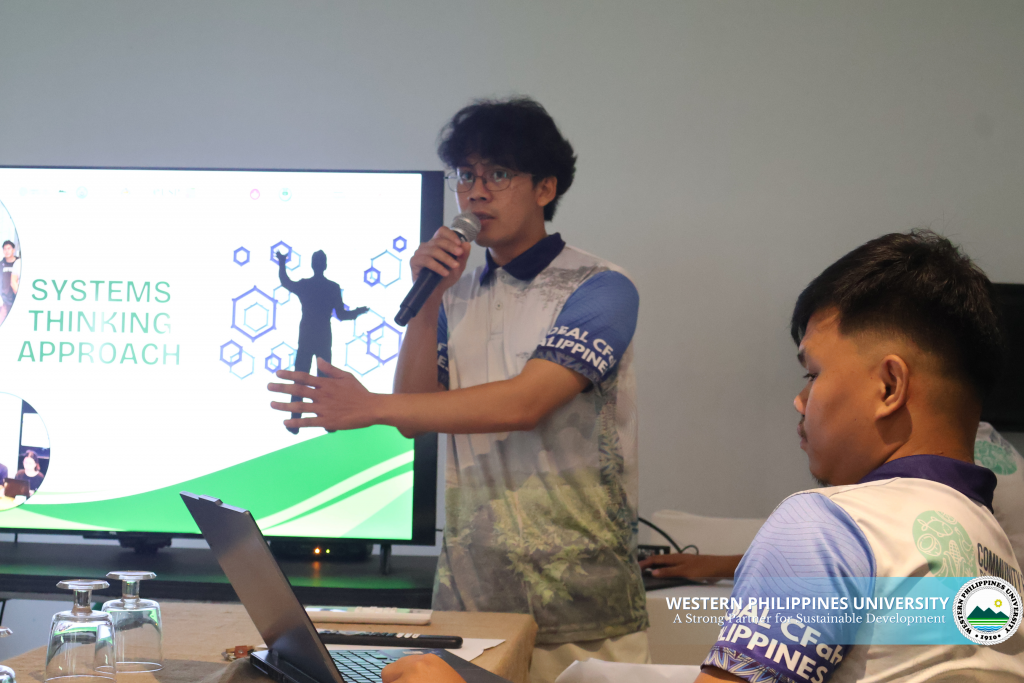
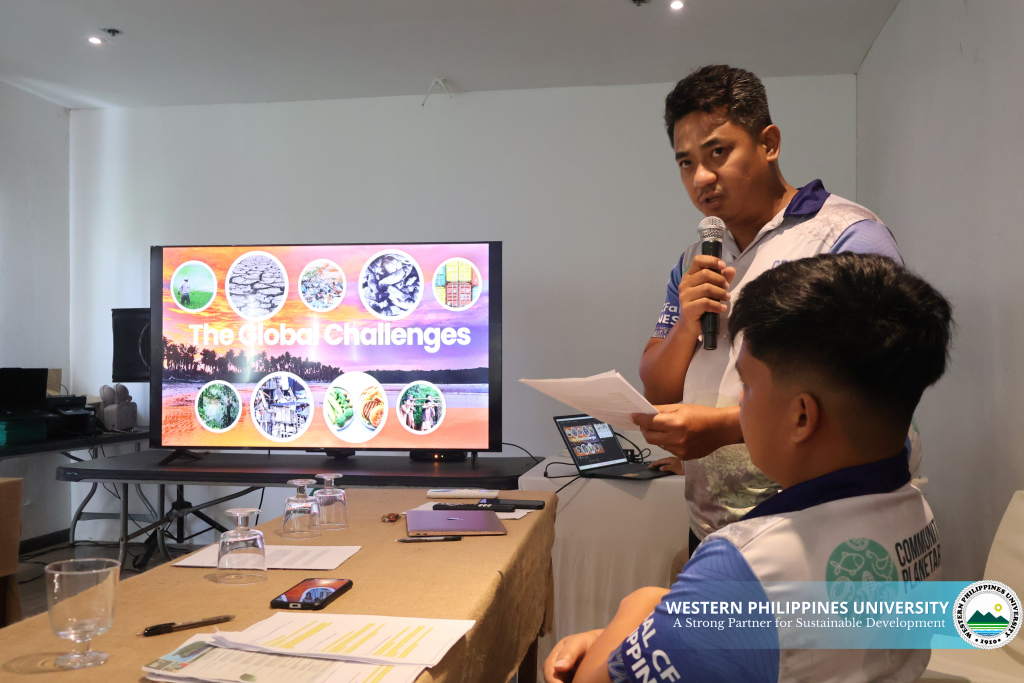
The Global Community Food for Human Nutrition and Planetary Health in Small Islands (Global CFaH) is WPU’s largest externally-funded research program, supported by the UK’s National Institute of Health and Care Research (NIHR). The project, which started in 2022, aims to understand nutrition challenges, improve food system knowledge, and empower communities through innovative food and nutrition initiatives.